

By the end of the decade, OXCCU–an innovative startup spun out of Oxford University–aims to launch a commercial-scale facility capable of significantly reducing the United Kingdom’s reliance on traditional jet fuel by producing high-density synthetic fuel.
While battery technology is transforming land travel, the extreme weight of electrical storage makes it impractical for long-haul flights, leaving energy-dense sustainable aviation fuel as the primary solution for decarbonizing the skies. By synthesizing fuel from existing surface waste rather than extracting fossil fuels, this process avoids introducing new carbon dioxide into the atmosphere. Project leaders believe that with continued advancements in these green technologies, even transoceanic flights could achieve full sustainability within the next thirty years.
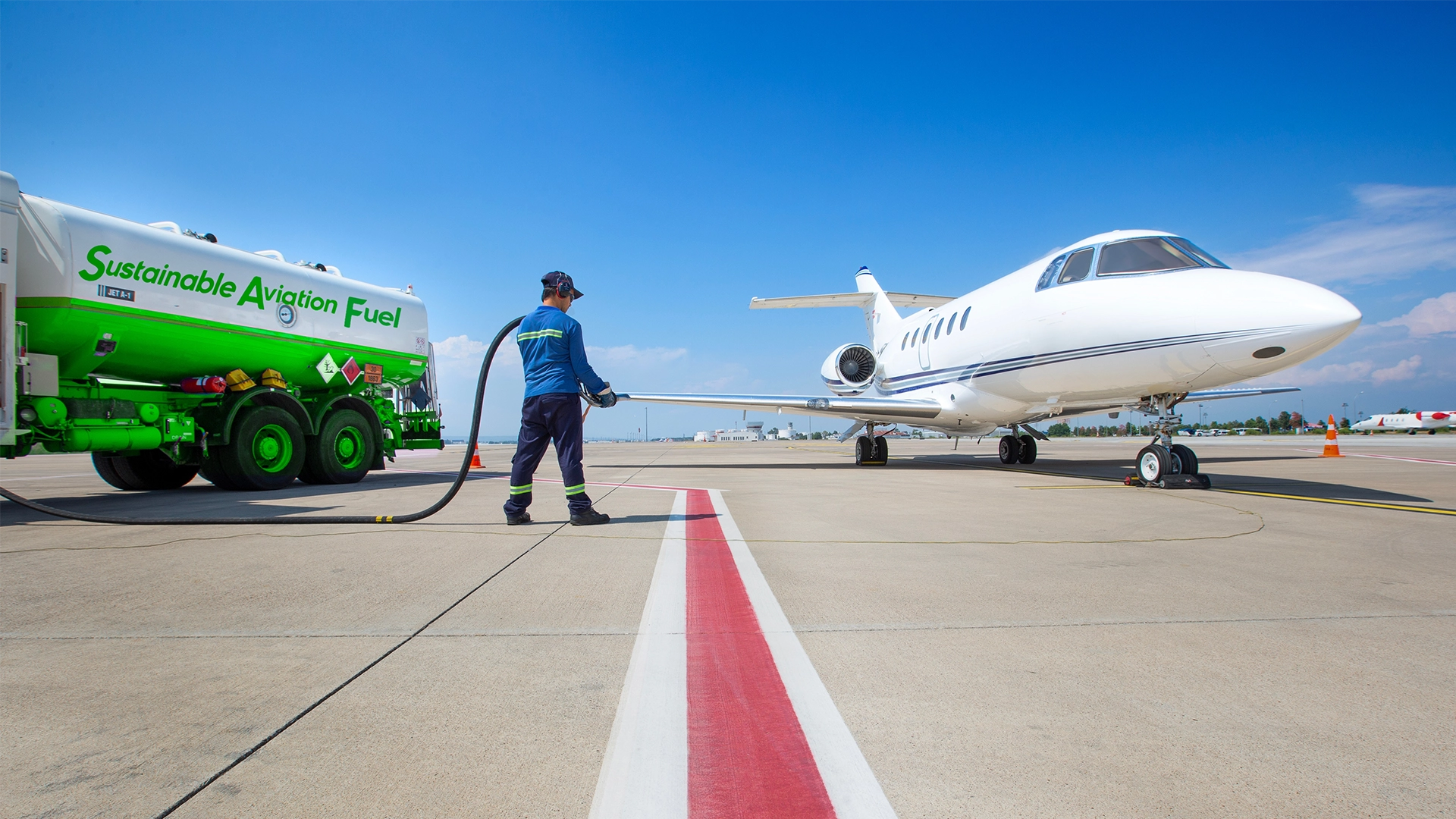
Business aviation is an incubator for new technologies, including sustainable aviation fuels, which can reduce lifecycle greenhouse gas emissions from aircraft by 80% over legacy fuels. The fuels are key to the industry’s aim of achieving net-zero carbon emissions by 2050, and the sector has long promoted a host of policies and market-based initiatives to achieve that goal.