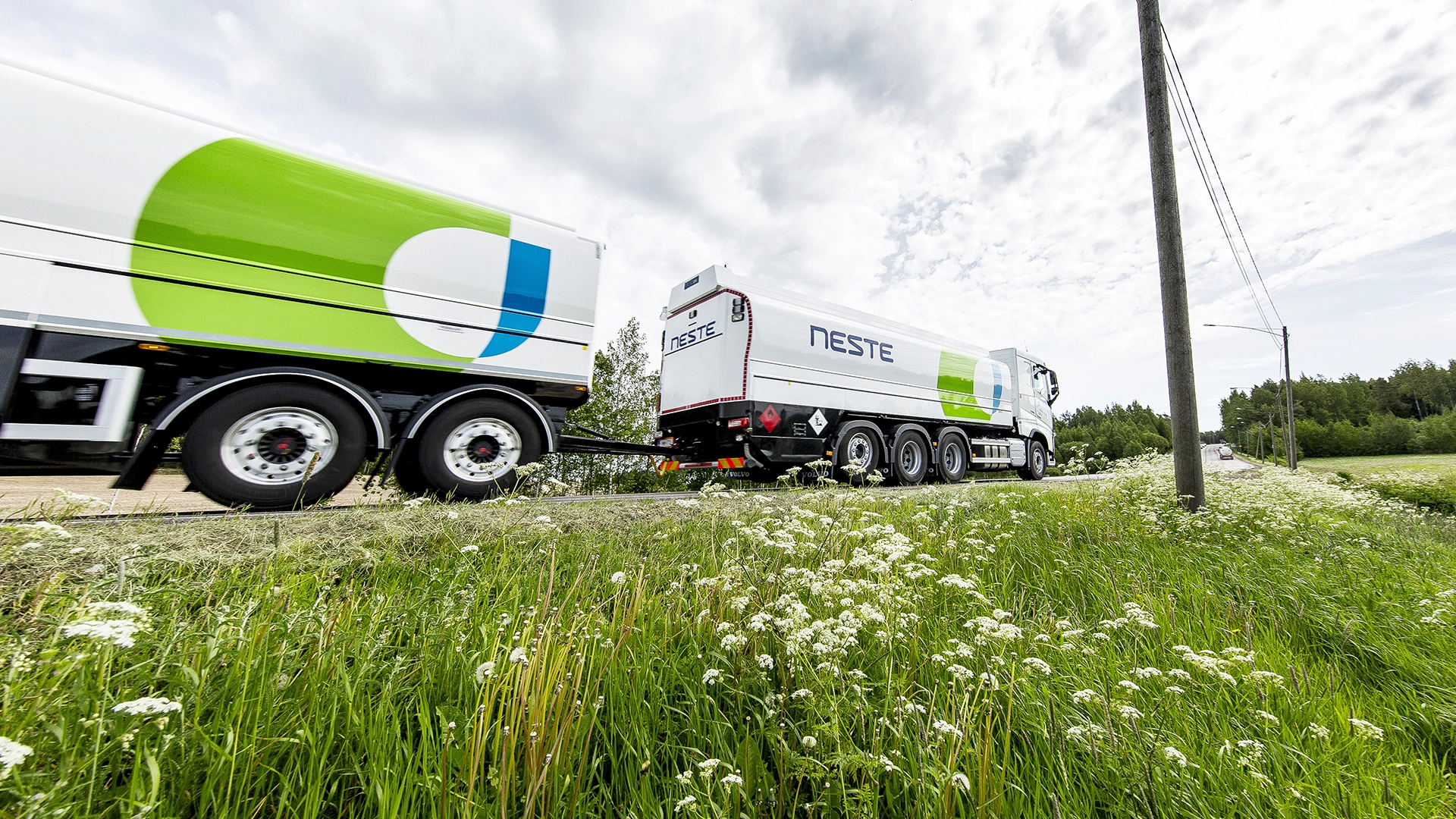


The United Kingdom has officially entered a new phase of its environmental strategy for the aerospace sector, moving from theoretical planning to active implementation. According to the first annual progress report from the Jet Zero Taskforce, the nation is making measurable strides in decarbonizing air travel through a combination of regulatory mandates and technological innovation. A primary driver of this transition is the sustainable aviation fuel (SAF) mandate, which began in early 2025 and requires a gradual increase in the use of renewable fuels. To support this shift, the government has introduced financial mechanisms and significant funding to encourage private investment and stimulate domestic production of alternative energy sources.
Beyond fuel regulations, the report emphasizes a multi-pronged approach to reaching long-term climate targets. Substantial public and private investment is being directed toward zero-emission propulsion systems, such as hydrogen-powered aircraft and advanced electric flight technologies. Additionally, the industry is focusing on immediate operational improvements, including modernized air traffic management and the mitigation of non-carbon impacts like contrails. While leaders acknowledge that scaling these solutions and establishing robust carbon removal markets present significant hurdles, the current trajectory reflects a unified commitment between the public and private sectors to achieve a sustainable future for the National Airspace System.